A primer on integrative approaches to dementia/Alzheimer’s disease treatment

Integrative Approaches to Dementia Treatment: Exploring Ketogenic Diets and Beyond

As the prevalence of dementia continues to rise globally, researchers and clinicians are exploring integrative approaches to prevent cognitive decline and treat dementia symptoms. Among the most promising interventions is the ketogenic diet, which has shown potential benefits for brain health and cognition.

The Ketogenic Diet and Dementia

The ketogenic diet is a high-fat, low-carbohydrate diet that shifts the body’s metabolism towards fat burning and ketone production. Recent studies have highlighted the potential of ketogenic diets in addressing dementia:

– A randomized crossover trial found that a 12-week modified ketogenic diet improved daily function and quality of life in Alzheimer’s patients[3].

– Ketones may serve as an alternative energy source for the brain, potentially compensating for impaired glucose metabolism often seen in Alzheimer’s disease[3].

– The neuroprotective properties of ketones are being investigated for their potential in preserving cognitive abilities[1].

Dr. Maurice Preter’s Perspective

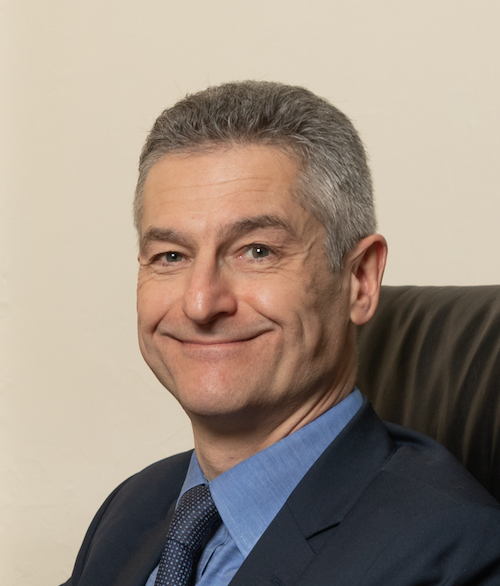
As a psychodynamic psychiatrist, psychopharmacologist and neurologist, Dr. Preter’s protocol emphasizes the importance of lifestyle factors in brain health and dementia prevention. His approach includes:

– Judicious use of ketogenic diets as a potential treatment strategy for Alzheimer’s disease[4].

– Addressing the role of inflammation and oxidative stress in neurodegeneration, including the use of curcumin, the active compound in turmeric, for its anti-inflammatory and antioxidant properties that may benefit brain health.

More generally:

– Nutritional interventions, including ketogenic diets and targeted supplementation.

– Stress reduction techniques and lifestyle modifications, specifically sleep and sexual hygiene.

– Addressing underlying medical conditions and medications that may contribute to cognitive decline.

Additional Integrative Approaches

Beyond ketogenic diets, other integrative strategies for dementia treatment and prevention include:

– Regular physical exercise, particularly resistance training, which may lead to structural brain changes associated with a lower risk of Alzheimer’s dementia[7].

– Maintaining social connections, as frequent social contact has been linked to reduced brain atrophy in older adults[7].

Conclusion

While pharmaceutical treatments for dementia have shown limited success, integrative approaches offer promising avenues for prevention and symptom management. The ketogenic diet, in particular, has emerged as a potential intervention worthy of further research. As we continue to unravel the complex nature of dementia, a multifaceted approach incorporating dietary interventions, lifestyle modifications, and targeted therapies may offer the best hope for those affected by cognitive decline.

It’s important to note that while these approaches show promise, individuals should consult with healthcare professionals before making significant changes to their diet or treatment regimens, especially those with existing health conditions or cognitive impairments.

Citations:

[1] https://angelcareny.com/exploring-connections-the-keto-diet-and-its-potential-impact-on-dementia/

[2] https://pubmed.ncbi.nlm.nih.gov/31996078/

[3] https://www.ncbi.nlm.nih.gov/pmc/articles/PMC7901512/

[4] https://drperlmutter.com/ketogenic-diet-proves-effective-in-alzheimers-disease/

[5] https://www.ncbi.nlm.nih.gov/pmc/articles/PMC9890290/

[6] https://molecularneurodegeneration.biomedcentral.com/articles/10.1186/s13024-021-00424-9

Posted in Aging |

Here are some key points about psychodynamic psychiatrists and non-MD psychotherapists:

Psychodynamic Psychiatrists

– Psychodynamic psychiatrists are medical doctors (MDs) who have completed residency training in psychiatry and have an interest and additional expertise in psychoanalysis, psychodynamic theory and technique.

– If indicated, they can prescribe medications in addition to providing psychodynamic therapy.

– Psychodynamic psychiatrists often take a more integrative or holistic view, considering biological, psychological, and social factors in assessment and treatment.

– They may combine medication management with psychodynamic therapy sessions.

– As physicians, psychodynamic psychiatrists tend to have more extensive medical training compared to non-MD therapists.

Psychodynamic Psychotherapists

– Those psychodynamic psychotherapists who aren’t medical doctors by education typically have graduate-level training in psychology, counseling, social work, or a related mental health field. Common degrees include PhD, PsyD, LCSW, or LPC.

– They tend to not have a formal medical background and cannot prescribe medications.

Key Similarities

– Both use psychodynamic techniques like free association, dream analysis, and exploring the unconscious.

– Both aim to help clients gain insight into unconscious patterns and resolve internal conflicts.

– Both focus on early life experiences and how they shape current functioning.

– Both work to strengthen ego functions and adaptive defenses.

– Both emphasize the importance of the therapeutic alliance.

Key Differences

– Psychiatrists are medical doctors by education and can prescribe medication, non-MD psychotherapists cannot.

The choice between a psychodynamic medical psychotherapist/psychiatrist or non-MD therapist often depends on the patient’s specific needs, preferences, and whether medication may be beneficial as part of treatment.

Citations:

[1] https://positivepsychology.com/psychodynamic-therapy/

[2] https://blog.time2track.com/psychodynamic-therapy-101-an-introduction/

[3] https://therapygroupdc.com/therapist-dc-blog/what-is-psychodynamic-therapy/

[4] https://www.choosingtherapy.com/psychodynamic-therapy/

[5] https://www.psychology.org/resources/what-is-psychodynamic-therapy/

[6] https://draxe.com/health/psychodynamic-therapy/

[7] https://www.psychdb.com/psychotherapy/psychodynamic/home

Posted in Psychiatry/Neurology |

Thalidomide remembered.

See previous post. Dr Kelsey saved tens of thousands of children in the U.S. and Canada from the greatest ever anti-anxiety medication (until it wasn’t) synthesized in Germany. 

PS I remember the time when the surviving amelic/phocomelic children, then in their teenager years were a common sight in Germany. The wikipedia page is informative: 

https://en.wikipedia.org/wiki/Thalidomide

Posted in Fifth Avenue Concierge Medicine, Health |

Different times, different people: Frances Kathleen Oldham Kelsey

Frances Oldham Kelsey

 
From Wikipedia, the free encyclopedia
(Redirected from Frances Kelsey)
Frances Oldham Kelsey
Formal, black-and-white photo of Frances Oldham Kelsey, showing a middle-aged Caucasian woman with short dark hair
Born
Frances Kathleen Oldham

July 24, 1914

Died August 7, 2015 (aged 101)

Citizenship
  • Canada
  • United States (from 1950s)
Alma mater
Occupation Pharmacologist
Known for Preventing thalidomide from being marketed in the United States
Spouse
Fremont Ellis Kelsey

(m. 1943; died 1966)

Children 2
Medical career
Field Physician
Awards President’s Award for Distinguished Federal Civilian Service (1962)

Frances Kathleen Oldham Kelsey CM (née Oldham; July 24, 1914 – August 7, 2015) was a Canadian-American[1] pharmacologist and physician. As a reviewer for the U.S. Food and Drug Administration (FDA), she refused to authorize thalidomide for market because she had concerns about the lack of evidence regarding the drug’s safety.[2] Her concerns proved to be justified when it was shown that thalidomide caused serious birth defects. Kelsey’s career intersected with the passage of laws strengthening FDA oversight of pharmaceuticals. Kelsey was the second woman to receive the President’s Award for Distinguished Federal Civilian Service, awarded to her by John F. Kennedy in 1962.

Birth and education[edit]

Born in Cobble Hill, British Columbia,[3] Kelsey attended St. Margaret’s School from 1928 to 1931 in the provincial capital, graduating at age 15.[4] From 1930 to 1931, she attended Victoria College (now University of Victoria). She then enrolled at McGill University, where she received both a B.Sc. (1934) and an M.Sc. (1935) in pharmacology.[3] Encouraged by one of her professors, she “wrote to EMK Geiling, M.D., a noted researcher [who] was starting up a new pharmacology department at the University of Chicago, asking for a position doing graduate work”.[4] Geiling, unaware of spelling conventions with respect to Francis and Frances, presumed that Frances was a man and offered her the position, which she accepted, starting work in 1936.[5][6]

During Kelsey’s second year, Geiling was retained by the FDA to research unusual deaths related to elixir sulfanilamide, a sulfonamide medicine. Kelsey assisted on this research project, which showed that the 107 deaths were caused by the use of diethylene glycol as a solvent. The next year, the United States Congress passed the Federal Food, Drug, and Cosmetic Act of 1938.[4] That same year she completed her studies and received a Ph.D. in pharmacology at the University of Chicago.[4] Working with Geiling led to her interest in teratogens, drugs that cause congenital malformations (birth defects).[7]

Early career[edit]

Black-and-white photo of Kelsey standing beside a table laden with files; grasping eyeglasses and an open book, she looks to the camera and seems about to speak
Kelsey in the 1960s

Upon completing her Ph.D., Oldham joined the University of Chicago faculty. In 1942, like many other pharmacologists, Oldham was looking for a synthetic cure for malaria. As a result of these studies, Oldham learned that some drugs are able to pass through the placental barrier.[8] During her work, she also met fellow faculty member Fremont Ellis Kelsey, whom she married in 1943.[4]

While on the faculty at the University of Chicago, Kelsey was awarded her M.D. in 1950.[4] She supplemented her teaching with work as an editorial associate for the American Medical Association Journal for two years. Kelsey left the University of Chicago in 1954, decided to take a position teaching pharmacology at the University of South Dakota, and moved with her husband and two daughters to Vermillion, South Dakota, where she taught until 1957.[3]

She became a dual citizen of Canada and the United States in the 1950s in order to continue practicing medicine in the U.S., but retained strong ties to Canada where she continued to visit her siblings regularly until late in life.[2]

Work at the FDA and thalidomide[edit]

Black-and-white photo of a smiling Kelsey meeting with President John F. Kennedy; the medal for the President's Award for Distinguished Federal Civilian Service hangs around Kelsey's neck
Kelsey received the President’s Award for Distinguished Federal Civilian Service from President John F. Kennedy, 1962

In 1960, Kelsey was hired by the FDA in Washington, D.C. At that time, she “was one of only seven full-time and four young part-time physicians reviewing drugs”[4] for the FDA. One of her first assignments at the FDA was to review an application by Richardson-Merrell for the drug thalidomide (under the tradename Kevadon) as a tranquilizer and painkiller with specific indications to prescribe the drug to pregnant women for morning sickness. Although it had been previously approved in Canada and more than 20 European and African countries,[9] she withheld approval for the drug and requested further studies.[3] Despite pressure from thalidomide’s manufacturer Grünenthal, Kelsey persisted in requesting additional information to explain observations by Leslie Florence of neurological symptoms published in the British Medical Journal in December 1960.[4][10] She also requested data showing the drug was not harmful to the fetus.[10]

Kelsey’s insistence that the drug should be fully tested prior to approval was vindicated when the births of deformed infants in Europe were linked to thalidomide ingestion by their mothers during pregnancy.[11][12] Researchers discovered that the thalidomide crossed the placental barrier and caused serious birth defects.[8] She was hailed on the front page of The Washington Post as a heroine[13] for averting a similar tragedy in the U.S.[14] Morton Mintz, author of The Washington Post article, said “[Kelsey] prevented … the birth of hundreds or indeed thousands of armless and legless children.”[13] Kelsey insisted that her assistants, Oyama Jiro and Lee Geismar, as well as her FDA superiors who backed her strong stance, deserved credit as well. The narrative of Kelsey’s persistence was used to help pass rigorous drug approval regulation in 1962.[1]

After Mintz broke the story in July 1962, there was a substantial public outcry. The Kefauver Harris Amendment was passed unanimously by Congress in October 1962 to strengthen drug regulation.[11][12] Companies were required to demonstrate the efficacy of new drugs, report adverse reactions to the FDA, and request consent from patients participating in clinical studies.[15] The drug testing reforms required “stricter limits on the testing and distribution of new drugs”[8] to avoid similar problems. The amendments, for the first time, also recognized that “effectiveness [should be] required to be established prior to marketing.”[11][12]

As a result of her blocking American approval of thalidomide, Kelsey was awarded the President’s Award for Distinguished Federal Civilian Service by John F. Kennedy on August 7, 1962,[16] becoming the second woman so honoured.[17] After receiving the award, Kelsey continued her work at the FDA. There, she played a key role in shaping and enforcing the 1962 amendments.[14] She also became responsible for directing the surveillance of drug testing at the FDA.[3]

Kelsey retired from the FDA in 2005, at age 90, after 45 years of service.[9] In 2010, the FDA named the Kelsey Award for her, to be awarded annually to an FDA employee for “Excellence and Courage in Protecting Public Health”.[18]

Later life and death[edit]

Informal colour photo of Kelsey in three-quarter profile
Kelsey (age 87) at the FDA reception commemorating her induction into the National Women’s Hall of Fame

Kelsey continued to work for the FDA while being recognised for her earlier work. She was still working at the FDA’s Center for Drug Evaluation and Research in 1995 and was appointed deputy for scientific and medical affairs. In 1994, the Frances Kelsey Secondary School in Mill Bay, British Columbia, was named in her honour.[19]

In 2010, the FDA presented Kelsey with the first Drug Safety Excellence Award and named the annual award after her,[20] announcing that it would be given to one FDA staff member annually.[21] In announcing the awards, Center Director Steven K. Galson said: “I am very pleased to have established the Dr. Frances O. Kelsey Drug Safety Excellence Award and to recognize the first recipients for their outstanding accomplishments in this important aspect of drug regulation.”[22]

Kelsey turned 100 in July 2014,[23] and shortly thereafter, in the fall of 2014, she moved from Washington, D.C., to live with her daughter in London, Ontario.[24] In June 2015, when she was named to the Order of CanadaMercédes Benegbi, a thalidomide victim and the head of the Thalidomide Victims Association of Canada, praised Kelsey for showing strength and courage by refusing to bend to pressure from drug company officials, and said “To us, she was always our heroine, even if what she did was in another country.”[24]

Kelsey died in London, Ontario, on August 7, 2015, at the age of 101,[25] less than 24 hours after Ontario’s Lieutenant-Governor, Elizabeth Dowdeswell, visited her home to present her with the insignia of Member of the Order of Canada for her role against thalidomide.[26]

Legacy and awards[edit]

2-colour recruitment flyer for the US Federal Civil Service; titled "Drug Detective", it shows a line-drawing of Kelsey next to a summary of her actions regarding thalidomide
The “Drug Detective”

See also[edit]


References[edit]

  1. Jump up to:a b McFadden, Robert (August 7, 2015), “Frances Oldham Kelsey, F.D.A. Stickler Who Saved U.S. Babies From Thalidomide, Dies at 101”The New York Times.
  2. Jump up to:a b Peritz, Ingrid (November 24, 2014), “Canadian doctor averted disaster by keeping thalidomide out of the U.S.”The Globe and Mail, retrieved August 7, 2015.
  3. Jump up to:a b c d e “Frances Kelsey”Canada Heirloom Series, Heirloom Publishing Inc., 986, retrieved August 15, 2009.
  4. Jump up to:a b c d e f g h Bren, Linda (March–April 2001), “Frances Oldham Kelsey: FDA Medical Reviewer Leaves Her Mark on History”FDA Consumer35 (2): 24–29, PMID 11444245, archived from the original on October 20, 2006, retrieved August 15, 2009.
  5. ^ “When Kelsey read Geiling’s letter offering her a research assistantship and scholarship in the PhD program at Chicago, she was delighted. But there was one slight problem — one that ‘tweaked her conscience a bit.’ The letter began ‘Dear Mr. Oldham,’ Oldham being her maiden name. Kelsey asked her professor at McGill if she should wire back and explain that Frances with an ‘e’ is female. ‘Don’t be ridiculous,’ he said. ‘Accept the job, sign your name, put ‘Miss’ in brackets afterwards, and go!'” Bren (2001).
  6. ^ Johnson, Steven (2021). Extra Life (1st ed.). Riverhead Books. p. 132. ISBN 978-0-525-53885-1.
  7. ^ Spiegel, Rachel, Research in the News: Thalidomide, archived from the original on August 22, 2007, retrieved August 15, 2009.
  8. Jump up to:a b c Simpson, Joanne Cavanaugh (September 2001), “Pregnant Pause”Johns Hopkins Magazine53 (4), retrieved April 30, 2006.
  9. Jump up to:a b c Rouhi, Maureen (June 20, 2005), “Top Pharmaceuticals: Thalidomide”Chemical & Engineering News83 (25), doi:10.1021/cen-v083n025.p122, retrieved April 30, 2006.
  10. Jump up to:a b Phillips, Stephen (March 9, 2020). “How a courageous physician-scientist saved the U.S. from a birth-defects catastrophe”UChicago Medicine. Retrieved May 6, 2020.
  11. Jump up to:a b c “The Story Of The Laws Behind The Labels”FDA Consumer, June 1981, archived from the original on August 16, 2009, retrieved August 15, 2009
  12. Jump up to:a b c “The Story Of The Laws Behind The Labels”FDA Consumer, June 1981, retrieved March 15, 2022.
  13. Jump up to:a b Mintz, Morton (July 15, 1962), “‘Heroine’ of FDA Keeps Bad Drug Off of Market”, The Washington Post, p. Front Page. See also Mintz’s comments from 2005 on Kelsey.
  14. Jump up to:a b Dr. Frances Kathleen Oldham Kelsey, National Library of Medicine, retrieved April 30, 2006.
  15. ^ Frances Oldham Kelsey, Chemical Heritage Foundation, archived from the original on July 12, 2016, retrieved March 23, 2014
  16. ^ Kennedy, John F. (1962), Remarks Upon Presenting the President’s Awards for Distinguished Federal Civilian Service, retrieved May 1, 2006.
  17. Jump up to:a b Women of the Hall – Frances Kathleen Oldham Kelsey, Ph.D., M.D., National Women’s Hall of Fame, 2000, archived from the original on October 3, 2002, retrieved May 1, 2006.
  18. ^ Lyndsey Layton (September 13, 2010), “Physician to be honored for historic decision on thalidomide”The Washington Post.
  19. ^ FKSS History, Frances Kelsey Secondary School, archived from the original on October 19, 2012, retrieved December 26, 2014.
  20. ^ Harris, Gardiner (September 13, 2010), “The Public’s Quiet Savior From Harmful Medicines”The New York Times, retrieved January 4, 2011.
  21. ^ Margaret A. Hamburg, M.D., Commissioner of Food and Drugs – Remarks at the Award Ceremony for Dr. Frances Kelsey.
  22. ^ Barber, Jackie (November 10, 2005), “Center ceremony honors 107 individuals, 47 groups: Spring event inaugurates Frances Kelsey Drug Safety Award”News Along the Pike, archived from the original on June 15, 2007, retrieved August 15, 2009.
  23. ^ McElroy, Justin (July 24, 2014), Canadian scientist Frances Kelsey, who spurred FDA reforms, turns 100Global News, retrieved July 24, 2014.
  24. Jump up to:a b c Ingrid Peritz (July 1, 2015), “Doctor who opposed thalidomide in U.S. named to Order of Canada”The Globe and Mail, retrieved July 1, 2015.
  25. ^ Bernstein, Adam; Sullivan, Patricia (August 7, 2015), “Frances Oldham Kelsey, FDA scientist who kept thalidomide off U.S. market, dies at 101”The Washington Post, retrieved August 7, 2015.
  26. ^ Ingrid Peritz (August 7, 2015), “Canadian doctor who kept thalidomide out of U.S. dies”The Globe and Mail, retrieved August 7, 2015.
  27. ^ Gold Key Award Recipients, The University of Chicago The Medical & Biological Sciences Alumni Association, retrieved August 14, 2006.
  28. ^ Geraghty, Karen (July 2001), “Profile of a Role Model – Frances Oldham Kelsey, MD, PhD”Virtual Mentor – American Medical Association Journal of Ethics7 (7), archived from the original on September 29, 2007, retrieved August 15, 2009.
  29. ^ “Foremother and Health Policy Hero Awards Luncheon”. May 7, 2018.
  30. ^ “FDA honors one of its own”CNN blog. September 16, 2010. Archived from the original on September 30, 2017. Retrieved August 9, 2015.
  31. ^ “Honorary doctor of science degree from Vancouver Island University”Nanaimo News Bulletin, Black Press, Inc., June 6, 2012, archived from the original on June 6, 2014, retrieved June 27, 2012.

Further reading[edit]

Posted in Fifth Avenue Concierge Medicine, Health |

Breast size, handedness and breast cancer risk


1991;27(2):131-5.

 doi: 10.1016/0277-5379(91)90469-t.

Breast size, handedness and breast cancer risk

Affiliations 

Abstract

Bra cup size and handedness were studied as possible risk factors for breast cancer. Data for 3918 cases and 11,712 controls from 7 centres were used to examine the association of handedness with laterality of breast cancer; data for 2325 cases and 7008 controls from 4 centres were used to assess the relation of bra cup size to breast cancer risk. There was a suggestive (P about 0.10) association of handedness with breast cancer laterality: odds ratio of a left-handed (or ambidextrous) woman having a left-sided cancer 1.22 (95% CI 0.96-1.56). Handedness may affect the lateral occurrence of breast cancer, although this tumour is in general more common in the left breast, possibly because this breast is usually slightly larger. Premenopausal women who do not wear bras had half the risk of breast cancer compared with bra users (P about 0.09), possibly because they are thinner and likely to have smaller breasts. Among bra users, larger cup size was associated with an increased risk of breast cancer (P about 0.026), although the association was found only among postmenopausal women and was accounted for, in part, by obesity. These data suggest that bra cup size (and conceivably mammary gland size) may be a risk factor for breast cancer.

Posted in Fifth Avenue Concierge Medicine, Health |