Bread, pasta and a sedentary lifestyle – will they require disclaimers? Diabetologia: Prediabetes is associated with an increased risk of cancer.

Bread, pasta and a sedentary lifestyle, and countless pharmaceutical drug – will they require disclaimers (like the one on cigarettes)?

Diabetologia

DOI 10.1007/s00125-014-3361-2

META-ANALYSIS

Prediabetes and the risk of cancer: a meta-analysis Yi Huang & Xiaoyan Cai & Miaozhen Qiu & Peisong Chen &

Hongfeng Tang & Yunzhao Hu & Yuli Huang

Received: 16 May 2014 / Accepted: 31 July 2014 # Springer-Verlag Berlin Heidelberg 2014

Abstract

Aims/hypothesis The results from prospective cohort studies of prediabetes (impaired fasting glucose and/or impaired glu- cose tolerance) and risk of cancer are controversial. We con- ducted a meta-analysis to evaluate the risk of cancer in asso- ciation with impaired fasting glucose and impaired glucose tolerance.

Methods The PubMed, EMBASE and Cochrane Library da- tabases were searched for prospective cohort studies with data on prediabetes and cancer. Two independent reviewers assessed the reports and extracted the data. Prospective studies were included if they reported adjusted RRs with 95% CIs for the association between cancer and prediabetes. Subgroup analyses were conducted according to endpoint, age, sex, ethnicity, duration of follow-up and study characteristics. Results Data from 891,426 participants were derived from 16 prospective cohort studies. Prediabetes was associated with an increased risk of cancer overall (RR 1.15; 95% CI 1.06, 1.23).

Yi Huang and Xiaoyan Cai contributed equally to this study.

Electronic supplementary material The online version of this article (doi:10.1007/s00125-014-3361-2) contains peer-reviewed but unedited supplementary material, which is available to authorised users.

Y. Huang : X. Cai : H. Tang : Y. Hu (*) : Y. Huang (*)
Clinical Medicine Research Center, The First People’s
Hospital of Shunde, Penglai Road, Daliang Town, Shunde District, Foshan 528300, People’s Republic of China
e-mail: huyunzhao4406@163.com
e-mail: hyuli821@163.com

M. Qiu
Department of Medical Oncology, Sun Yat-sen University Cancer Center, State Key Laboratory of Oncology in South China, Guangzhou, People’s Republic of China

P. Chen
Department of Laboratory Medicine, the First Affiliated Hospital of Sun Yat-sen University, Guangzhou, People’s Republic of China

The results were consistent across cancer endpoint, age, dura- tion of follow-up and ethnicity. There was no significant difference for the risk of cancer with different definitions of prediabetes. In a site-specific cancer analysis, prediabetes was significantly associated with increased risks of cancer of the stomach/colorectum, liver, pancreas, breast and endometrium (all p < 0.05), but not associated with cancer of the bronchus/ lung, prostate, ovary, kidney or bladder. The risks of site- specific cancer were significantly different (p = 0.01) and were highest for liver, endometrial and stomach/colorectal cancer. Conclusions/interpretation Overall, prediabetes was associat- ed with an increased risk of cancer, especially liver, endome- trial and stomach/colorectal cancer.

Keywords Cancer . Impaired fasting glucose . Impaired glucose tolerance . Prediabetes . Risk factors

Posted in Aging, China, development, dietary, epigenetics, Events, Forensic Neuropsychiatry, Health, International And Concierge Medicine, keto, metabolic, News | Tagged , , , , , , |

Week in China: Survey from China Youth Daily late last year found that 67% of respondents did not trust doctors’ diagnoses or recommended treatments

http://www.weekinchina.com/2014/09/“trust-me-i’m-a-doctor”/?dm

Week in China

Brought to you by

HEALTHCARE

“Trust me, I’m a doctor”

Doctors go on strike to protest beatings received from angry patients

Sep 12, 2014 (WiC 252)

A doctor attacked at the Huimin Hospital in Hubei province

Late last month more than 100 medical workers gathered outside Yulong Hospital in Yunnan province. They were protesting at the number of times they’d been attacked by disgruntled patients or their relatives, reports Yunnan Information News.

This hospital strike wasn’t an isolated incident. Just days earlier a group of 100 doctors had also protested outside the city government’s offices in Yueyang in Hunan province. They were furious about an incident in which a doctor was badly beaten up by the relatives of a patient who had died in their hospital. According to the Beijing News, the medics demanded safer working conditions for healthcare professionals. “The hospital is no longer a safe place. We are full of fear at work,” one doctor complained.

In Beijing the city government even sent riot gear to local hospitals in July. “The growing number of attacks on doctors and hospital personnel in recent years has moved the local government to enhance security at public hospitals,” commented the China Daily.

The statistics make it hard to disagree. A survey by the China Hospital Management Association found that violence against medical personnel rose an average 23% each year between 2002 and 2012.

In a two-week period in February, angry patients paralysed a nurse in Nanjing, cut the throat of a doctor in Hebei, and beat another one to death (with a pipe) in Heilongjiang.

In a New Yorker article titled ‘Under the knife’, Christopher Beam asks why Chinese patients are turning against their doctors. Published at the end of August, the investigative piece came out just two days before the Yunnan doctors went on strike. In an attempt to understand the phenomenon, Beam focuses on the case of Li Mengnan, a migrant worker who was so enraged by his treatment that he went on a stabbing rampage at a hospital in Harbin in 2012. In an incident that got widespread media attention, Li stabbed and killed Wang Hao, a doctor – moreover one who had nothing to do with his case.

Advertisement

But Li’s guilt was not as clearcut as it initially appeared. Indeed as more information emerged about Li, public sympathy increasingly swung behind the patient-turned-killer. Born in 1994 Li went to Beijing as a migrant worker aged 15, earning about Rmb700 a month. His legs began to hurt, and although he went to a local hospital, he couldn’t afford the tests necessary for a full diagnosis. So he quit the capital and returned to his home town in Inner Mongolia. But the medical facilities there didn’t have the right equipment to figure out what was wrong, so he was taken by his grandfather to a major hospital in Harbin.

This time Li’s condition was diagnosed, except wrongly. He was told he had synovitis (an inflammation of the joints) and prescribed shots. But they only made his condition worse and he was soon walking like an old man, his grandmother told media. So they took the 10-hour train journey back to Harbin, where Li’s condition was finally diagnosed correctly as ankylosing spondylitus, a chronic inflammatory disease also known as ‘bamboo spine’.

Although incurable, the condition can be treated with Remicade, an intravenous drug. The treatment cost Rmb80,000 ($13,051), with Li’s health insurance covering less than half of that. However, using his grandfather’s pension and savings from family friends, Li went ahead. Initially he felt better, but he was then told the treatment needed to stop because he had tuberculosis. (Li’s lawyer later said the hospital knew of his TB before the treatment started, but went ahead because the fee was so lucrative.)

Li then spent four months in a hospital in his home town taking an anti-tuberculosis drug. But when the course finished and he went back to Harbin, the doctors refused to continue with his earlier treatment, saying his TB hadn’t cleared up, and he had to go back to Inner Mongolia.

Feeling exploited and exasperated, Li told his grandfather he could no longer bear it. Later that day he purchased a three-inch knife and walked into the hospital, stabbing the first doctor he saw – Wang Hao – and slashing at others. He then tried to stab himself, although his suicide attempt failed and he was arrested and later tried, getting a life sentence.

As the New Yorker points out, attitudes to Li’s case changed during the trial, particularly as journalists were given full access to cover it.

“The media’s portrait of the killer softened: Li Mengnan wasn’t a lunatic, nor did he have a history of violence. He was a man whom society had failed so completely that he was impelled to lash out. Wang Hao’s death came to symbolise the collapse of doctor-patient relations and a fundamental dysfunction in China’s healthcare system,” opinesthe New Yorker.

Even the dead doctor’s father told the magazine’s Beam: “I blame the healthcare system. Li Mengnan was just a representative of this conflict. Incidents like this have happened many times. How could we just blame Li?”

WiC has reported before on the increasing amounts being spent on medical care in China and the blueprints for major healthcare reforms. These have extended healthcare coverage to 95% of the population and mandated that key drugs be sold at lower, fixed prices. However, systemic problems remain, not just in the way urban hospitals are run but also due to the lack of sophisticated facilities in rural areas. Limited rural health facilities also forces patients into the cities and leads to overcrowding at urban hospitals. This can make it difficult to get an appointment (unless patients are prepared to jump the queue by paying bribes). Stretched finances also mean that many public hospitals tend to over-prescribe expensive (and more profitable) drugs. In some of the most scandalous situations doctors have recommended costly but unnecessary treatments solely because they boost the institution’s income. Add to this that plenty of doctors are compromised by murky financial relationships with the drugs companies.

All of the above is well understood in China, so it was no surprise that a survey from China Youth Daily late last year found that 67% of respondents did not trust doctors’ diagnoses or recommended treatments (a hefty 252,283 respondents took part, making it a pretty representative sample).

The doctors themselves are dissatisfied with the current state of affairs too, reports Healthaffairs.org. A 2011 Chinese Medical Association survey of its members showed fewer than 20% were satisfied with their medical practice environments, while 48% rated them “poor” or “very poor”. Doctors were particularly dissatisfied with their pay. They were also concerned about their working conditions and their workloads.

A leading radiologist told the New Yorker that the record number of patients seen by a single doctor in a single shift at the Shanghai Children’s Hospital is 314. That works out as an average of two minutes per patient, the radiologist said.

Interestingly, the same survey showed that fewer than 10% of respondents blamed doctors, the hospitals or the patients themselves for the grievances that they were reporting. The majority (83%) simply blamed “the system” for tensions between doctors and their patients.

Indeed, with poor pay, little public respect for their profession and the apparent threat to their physical safety, it’s little surprise that the Chinese Medical Association survey also found that just 21% of its members wanted their own children to become doctors.

This lack of enthusiasm for the profession could have serious consequences. One of the interviewees told Beam that a career as a doctor was seen as a respectable profession when she studied medicine. But now “our friends’ children aren’t going into medicine”, she warned. That will mean a shortage of doctors in the years ahead, she forecast.

Meanwhile the attempts at health industry reform go on. In a move to encourage investment in the sector, the Ministry of Commerce announced on August 27 that foreign entities will be able to establish wholly-owned hospitals in seven regions. The trial programme will proceed in the municipalities of Beijing, Shanghai and Tianjin, as well as the provinces of Guangdong, Jiangsu, Fujian and Hainan.

Want friends and colleagues
to receive Week in China?

Send an invitation

Recent ArticlesHEALTHCARE

  • Opting for America
  • Stiff competition
  • The Putian phenomenon

Get the Week in China app
for iOS and Android. 

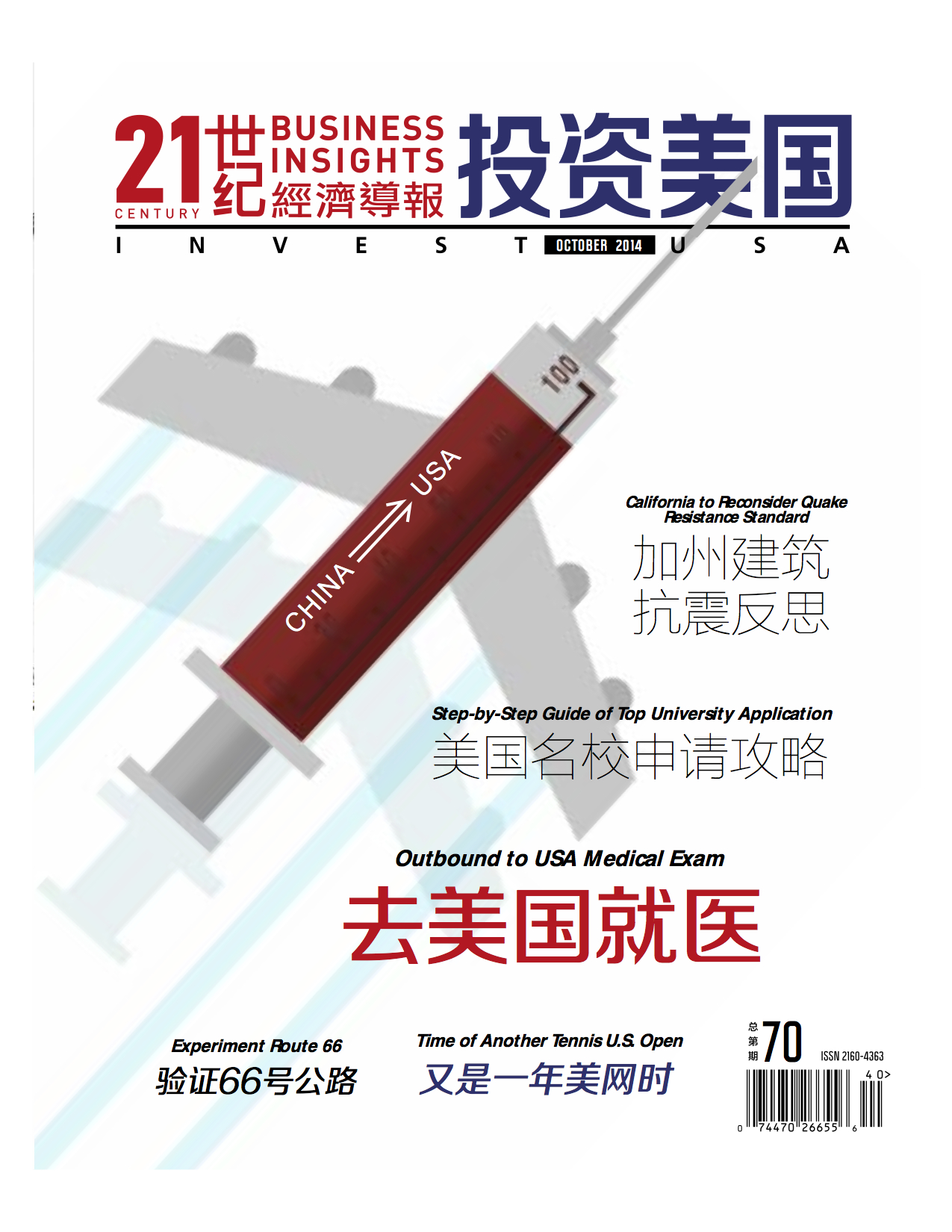
©2009-2014 Week in China is published weekly by ChinTell Limited,
a company based in Hong Kong. All rights reserved.

Posted in China, Events, Health, International And Concierge Medicine, keto | Tagged |

BMJ.org: Research News Benzodiazepines may be linked to Alzheimer’s disease, study finds

Research News

Benzodiazepines may be linked to Alzheimer’s disease, study finds

BMJ 2014; 349 doi: http://dx.doi.org/10.1136/bmj.g5555 (Published 10 September 2014)Cite this as: BMJ 2014;349:g5555

Get access to this article and to all of thebmj.com for 14 days.

Sign up today for a 14 day free trial.
Access to the full version of this article requires a subscription payment.

Please login or subscribe below.

  1. Zosia Kmietowicz

Author affiliations

Taking benzodiazepines is associated with an increased risk of developing Alzheimer’s disease, particularly in long term users, a study has found.

Benzodiazepine use has long been associated with an increased risk of Alzheimer’s disease, although whether this association is causal remains unclear. To try to better understand the association, a team of researchers from France and Canada used data from the Quebec health insurance programme database (RAMQ) to track the development of Alzheimer’s in a sample of elderly residents living in Quebec, Canada, who had been prescribed benzodiazepines.1

Over a period of at least six years they identified 1796 cases of Alzheimer’s disease. They then compared these cases …

Posted in Aging, China, Complementary - Alternative Medicine, Events, Forensic Neuropsychiatry, International And Concierge Medicine, keto, Psychiatry/Neurology | Tagged , , , , , |

Mysterious disease in Kazakhstan – A new von Economo encephalitis, post-vaccine, or mass hysteria?

Perhaps of note, Kalachi was one of the USSR’s “secret cities” (an uranium mine).

Mysterious disease in Kazakhstan resembles plot of X-Files series

10 SEPTEMBER 2014, 10:49 (GMT+05:00)
Photo: Mysterious disease in Kazakhstan resembles plot of X-Files series / Kazakhstan

Baku, Azerbaijan, Sept. 10

By Elena Kosolapova – Trend: The story developing in a small settlement in northern Kazakhstan is worthy of a plot for popular American science fiction television drama series, “The X-Files.”

The residents of the Kazakh village of Kalachi are racking with a mysterious disease that could not be explained by a wide range of specialists in medicine and many other specialized fields.

The villagers complain of severe fatigue and constant desire to sleep. They can suddenly fall asleep in the most unexpected places – at work, at school, in the street – and sleep for several days. Nobody and nothing can wake them up. And after waking up some of them lose memory, have hallucinations, and behave like in a dream.

The first case of the manifestation of this sleeping disease occurred in Kalachi in March 2013. And the disease breaks out once every few months. Ten percent of the village population exceeding 600 people has been infected with this disease.

The strangest thing that despite the authorities’ investigation with the involvement of local and invited specialists, the cause of the sickness remains a mystery. The scientists conducted thousands of experiments on soil, air and water in the village and the diseased patients, but the only thing they could say the people are quite healthy and the symptoms they experience do not fit into any of the known diseases.

Some kind of sleeping sickness, which also called “human African trypanosomiasis,” is a widespread tropical disease. But besides permanent desire to sleep the symptoms of this disease are different. Moreover African disease is spread by a bite of an infected tsetse fly living dozens of thousands kilometers far from Kazakhstan. And bacteriological and viral tests on Kalachi’s villagers have proved negative.
Local people are in despair. They think the authorities are hiding the truth about the disease and invent a number of fantastic explanations of its reasons from biology experiments conducted by western laboratories to aliens and God’s punishment.

However there are some versions which are more real at first glance. Kalachi is located in the vicinity of former Soviet secret uranium mining town Krasnogorsk, which was closed after Soviet Union’s collapse about 20 years ago. Some people associate abnormal sleep with the abandoned uranium mine. But scientists working at the scene say that the radiation level is normal across the village. Moreover the unfortunate Kalachi is the only village affected by this strange sickness and the dwellers of other settlements located nearby and even those who worked in the uranium mine for all their life are safe and sound.

Local nuclear specialists also assure that radiation sickness does not produce sleeping effects. Western experts share their opinion on this issue.
“In my work so far I have never heard of radiation causing any sleeping disease,” Britt-Marie Drottz Sjoberg, psychology professor at the Norwegian University of Science and Technology who has lead and participated in a number of researches and projects relation to public reactions to radiation, radioactive waste and environmental issues told Trend by e-mail.

“I doubt that uranium is the cause of the sleeping sickness… There is no such thing as “normal” for radiation levels… they should be published and compared to places without uranium mining operations,” Janette Sherman, M.D. specializing in internal medicine and toxicology with an emphasis on chemicals and nuclear radiation who earlier worked for the Atomic Energy Commission at the University of California in Berkeley, and for the U.S. Navy Radiation Defense Laboratory in San Francisco and published a number of researches on nuclear radiation also told Trend by e-mail.

Now all the people suffering from the disease in Kalachi are diagnosed with encephalopathy of unknown origin, i.e. brain damage by unknown substance. The substance was not defined.

Kazakh Health Ministry informed that the disease had classic signs of narcolepsy and some psychologists and psychiatrists explain the disease by massive psychosis.

“There have been many such unexplained events. Some of them have been caused by agents such as virus that were discovered later, such as von economo encephalitis, others by vaccines, most have been unexplained medically and assumed to be mass hysteria,” Maurice Preter, M.D., Assistant Professor of Clinical Psychiatry on the faculty of Columbia University’s College of Physicians & Surgeons and is Adj. Associate Professor of Neurology at SUNY Downstate Medical Center told Trend by e-mail.

A special commission was created from specialists from several Kazakh ministries to investigate the situation in Kalachi. But the only problem revealed by the commission in the village so far was the higher level of radon gas in air. This gas used in anesthesiology could be the cause of the abnormal sleep, according one of the numerous versions, the scientists say. However the commission does not announce when the investigation is expected to be completed.

Meanwhile extrasensory individuals, sorcerers and ufologists explain the disease by weird by extraterrestrial reasons.

The last wave of the mysterious disease happened on September 1. Nine children fell asleep immediately after festive ceremony on the occasion of new academic year and slept for two days. And this time the patients’ symptoms have aggravated compared to the last year. The diseased people have nightmares, hallucinations and some signs of insanity. Thus, the problem requires prompt solution and should not be delayed. Maybe the truth is out there.

Edited by C.S.

Follow us on Twitter @TRENDNewsAgency

Posted in Events, Forensic Neuropsychiatry, keto, News |

Neurology.org: Poor sleep quality is associated with increased cortical atrophy in community-dwelling adults

Sleep and cognitive status is a developing hot topic. When will hospitals have to assure a peaceful, uninterrupted night for inpatients?

Poor sleep quality is associated with increased cortical atrophy in community-dwelling adults
  1. Claire E. Sexton, DPhil,
  2. Andreas B. Storsve, MSc,
  3. Kristine B. Walhovd, PhD,
  4. Heidi Johansen-Berg, DPhil and
  5. Anders M. Fjell, PhD

+SHOW AFFILIATIONS

+ SHOW FULL DISCLOSURES

  1. Correspondence to Dr. Sexton: claire.sexton@ndcn.ox.ac.uk
  1. Published online before print September 3, 2014, doi: 10.1212/WNL.0000000000000774Neurology September 9, 2014 vol. 83 no. 11 967-973

ABSTRACT

Objective: To examine the relationship between sleep quality and cortical and hippocampal volume and atrophy within a community-based sample, explore the influence of age on results, and assess the possible confounding effects of physical activity levels, body mass index (BMI), and blood pressure.

Methods: In 147 community-dwelling adults (92 female; age 53.9 ± 15.5 years), sleep quality was measured using the Pittsburgh Sleep Quality Index and correlated with cross-sectional measures of volume and longitudinal measures of atrophy derived from MRI scans separated by an average of 3.5 years. Exploratory post hoc analysis compared correlations between different age groups and included physical activity, BMI, and blood pressure as additional covariates.

Results: Poor sleep quality was associated with reduced volume within the right superior frontal cortex in cross-sectional analyses, and an increased rate of atrophy within widespread frontal, temporal, and parietal regions in longitudinal analyses. Results were largely driven by correlations within adults over the age of 60, and could not be explained by variation in physical activity, BMI, or blood pressure. Sleep quality was not associated with hippocampal volume or atrophy.

Conclusions: We found that longitudinal measures of cortical atrophy were widely correlated with sleep quality. Poor sleep quality may be a cause or a consequence of brain atrophy, and future studies examining the effect of interventions that improve sleep quality on rates of atrophy may hold key insights into the direction of this relationship.

FOOTNOTES

  • Go to Neurology.org for full disclosures. Funding information and disclosures deemed relevant by the authors, if any, are provided at the end of the article.

  • Supplemental data at Neurology.org

  • Received February 10, 2014.
  • Accepted in final form June 12, 2014.
Posted in Aging, Complementary - Alternative Medicine, epigenetics, Forensic Neuropsychiatry, International And Concierge Medicine, keto, Psychiatry/Neurology, Traumatic brain injury | Tagged , , , , |