Category Archives: Events
The antiviral and coronavirus-host protein pathways inhibiting properties of herbs and natural compounds – Additional weapons in the fight against the COVID-19 pandemic?
Abstract
Introduction
As of March 11th, 2020, the World Health Organization declared the COVID-19 outbreak a pandemic. Articles published after the SARS-CoV-1 (2002) epidemic suggest that the use of an herbal-drug integrative medical approach could have contributed to a lower fatality rate and a more rapid response in controlling the outbreak.
Methods
Pubmed was searched for articles that investigated the antiviral properties and mechanisms of action of herbs or natural compounds against the SARS-coronavirus (CoV).
Results
Forty-three (43) relevant papers were located. A general count rendered 450+ herbs and natural compounds with antiviral properties against the SARS-CoV and related viruses. From the 43 articles, thirty-one (31) uncovered the mechanisms of action of the natural substances able to oppose the coronavirus.
Discussion
A series of herbs and natural compounds demonstrated moderate to strong antiviral activity. Research on many herbs-natural compounds also showed potent and significant inhibition of CoV-host protein pathways responsible for different phases of viral replication specifically targeting 3CLPRO, PLPRO, RdRp, helicase protein, S protein, N protein, 3a protein, Cathepsin L, Nsp1, Nsp3c, and ORF7a, and the S protein/ACE-2 interaction.
Conclusion
The herbs-natural compounds with antiviral activity and that caused inhibition/blockade of the CoV-host protein pathways are potential therapeutic candidates. The homology between the SARS-CoV-1 and SARS-CoV-2 is around 80%. Thus, effective herbs-compounds for the former would likely be beneficial for the latter also depending on target protein similarities between the viruses. Here we provide the mechanistic bases supporting an integrative approach that includes natural compounds to fight coronavirus infections.
Keywords: Coronavirus, COVID-19, Herbs, Natural compounds, Antiviral, Pandemic Continue reading
A Review on Antibacterial, Antiviral, and Antifungal Activity of Curcumin
Curcuma longa L. (Zingiberaceae family) and its polyphenolic compound curcumin have been subjected to a variety of antimicrobial investigations due to extensive traditional uses and low side effects. Antimicrobial activities for curcumin and rhizome extract of C. longa against different bacteria, viruses, fungi, and parasites have been reported. The promising results for antimicrobial activity of curcumin made it a good candidate to enhance the inhibitory effect of existing antimicrobial agents through synergism. Indeed, different investigations have been done to increase the antimicrobial activity of curcumin, including synthesis of different chemical derivatives to increase its water solubility as well ass cell up take of curcumin. This review aims to summarize previous antimicrobial studies of curcumin towards its application in the future studies as a natural antimicrobial agent. Continue reading
BCG vaccine protection from severe coronavirus disease 2019 (COVID-19)
Of possible interest. Complicated story. https://www.pnas.org/content/pnas/early/2020/07/07/2008410117.full.pdf Luis E. Escobara,1, Alvaro Molina-Cruzb, and Carolina Barillas-Muryb,1 aDepartment of Fish and Wildlife Conservation, Virginia Polytechnic Institute and State University, Blacksburg, VA 24601; and bLaboratory of Malaria and Vector Research, National Institute of Allergy … Continue reading
The passage of time during the UK Covid-19 lockdown
Abstract
In March 2020, in response to the Covid-19 pandemic, the UK Government imposed social and physical distancing measures on the population. These lockdown measures caused significant changes to all aspects of daily life. The current study examined how the passage of time was distorted during the lockdown period. Using an online questionnaire, day and week passage of time judgments were collected. In addition, measures of affect, task load and satisfaction with current levels of social interaction were taken. The results show that over 80% of participants experienced distortion to the passage of time during lockdown in comparison with normal. The passage of time during the day was predicted by age, stress, task load and satisfaction with current levels of social interaction. A slowing of the passage of time was associated with increasing age, increasing stress, reduced task load and reduced satisfaction with current levels of social interaction. Only age and satisfaction with current levels of social interaction predicted passage of time across a week. Again, increasing age and reduced satisfaction with levels of social interaction were associated with a slowing of the passage of time. These findings demonstrate that significant changes to daily life have a significant impact on our experience of time, with younger, more socially satisfied people more likely to experience time as passing more quickly during the lockdown. Continue reading
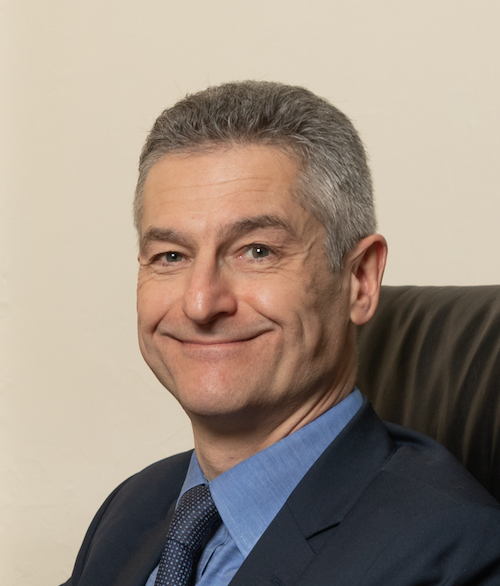
Maurice Preter, MD
Maurice Preter, MD is a European and U.S. educated psychiatrist, psychotherapist, psychopharmacologist, neurologist, and medical-legal expert in private practice in Manhattan. He is also the principal of Fifth Avenue Concierge Medicine, PLLC, a medical concierge service and health advisory for select individuals and families.