Category Archives: News
Not so subclinical: Subclinical cerebrovascular disease inversely associates with learning ability
Neurology. 2015 May 22. pii: 10.1212/WNL.0000000000001657. [Epub ahead of print] Subclinical cerebrovascular disease inversely associates with learning ability: The NOMAS. Glazer H1, Dong C1, Yoshita M1, Rundek T1, Elkind MS1, Sacco RL1, DeCarli C1, Stern Y1, Wright CB2. Author information Abstract OBJECTIVE: Memory has been examined in subjects with … Continue reading
Reactivation of herpesvirus under fingolimod: A case of severe herpes simplex encephalitis.
Neurology. 2015 May 8. pii: 10.1212/WNL.0000000000001659. [Epub ahead of print] Reactivation of herpesvirus under fingolimod: A case of severe herpes simplex encephalitis. Pfender N1, Jelcic I1, Linnebank M1, Schwarz U1, Martin R2. Author information 1From the University Hospital Zurich, Switzerland. 2From the University Hospital Zurich, … Continue reading
This is finally going mainstream: High blood sugar is associated with subtle brain injury and impaired attention and memory even in young adults
Neurology. 2015 May 6. pii: 10.1212/WNL.0000000000001655. [Epub ahead of print] Glucose indices are associated with cognitive and structural brain measures in young adults. Weinstein G1, Maillard P2, Himali JJ2, Beiser AS2, Au R2, Wolf PA2, Seshadri S2, DeCarli C2. Author information 1From the Department of Neurology (G.W., J.J.H., … Continue reading
Some very interesting new posts on the blog of Fifth Avenue Concierge Medicine, PLLC
Some very interesting new posts on the blog of Fifth Avenue Concierge Medicine, PLLC: http://www.fifthavenueconciergemedicine.com/blog/
DIET, KETONES AND TRAUMATIC BRAIN INJURY
DIET, KETONES AND TRAUMATIC BRAIN INJURY Technical but of great interest. We are successfully using the ketogenic diet alongside other multiple anti-inflammatory approaches. If you want to try this treatment modality for TBI or cognitive impairment (dementia), please contact the … Continue reading
Maurice Preter, MD
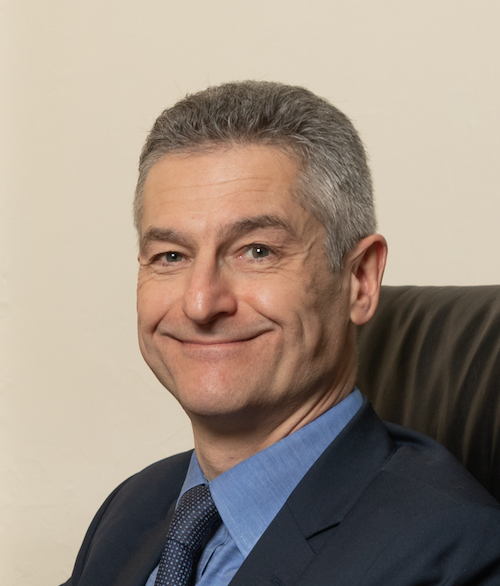
Maurice Preter, MD is a European and U.S. educated psychiatrist, psychotherapist, psychopharmacologist, neurologist, and medical-legal expert in private practice in Manhattan. He is also the principal of Fifth Avenue Concierge Medicine, PLLC, a medical concierge service and health advisory for select individuals and families.